
Videogame
Why introduce video games into a museum of cinema?
The history of cinema and video games is full of mutual influences. The two forms of entertainment have, over time, borrowed characters, settings, atmospheres, great stories from each other. The first encounters are often described as unfortunate: the film adaptations of video games, the so-called tie-ins, did not turn out to be the hoped-for success.
However, the history of convergences, intersections and frictions between these two media is definitely articulated and full of key moments, capable of influencing the trajectories of cinema and video games. Indeed, both exist in the same complex intermedial context and share a common language: the audiovisual syntactic nature. On the other hand, the video game can also be placed in that tradition of spectacle/illusionistic media in which the cinema of the origins and, before that, the pioneering works on the moving image are fully inscribed; the shadow theatre, the magic lantern as well as the various vision amplification devices, which sought to envelop the spectator in images and suggest interaction, express an ante litteram video game idea. And then, again, the production paradigms: the evolution of video game launch trailers and the introduction of live action segments are constructed to foster an authentically cinematic experience, techniques such as rotoscope first and motion capture and photogrammetry later are used in both production phases.
The Museo Nazionale del Cinema undertook an acquisition campaign related to the world of gaming, which is not limited to the playable version but also includes rare and unpublished production and game design materials, such as concept art, technical manuals, notes, storyboards, sketches, scripts and objects used internally in the creative stages before release. These materials of high museum value are often lost or deleted and are essential to understanding the commonalities across video game production and filmmaking.
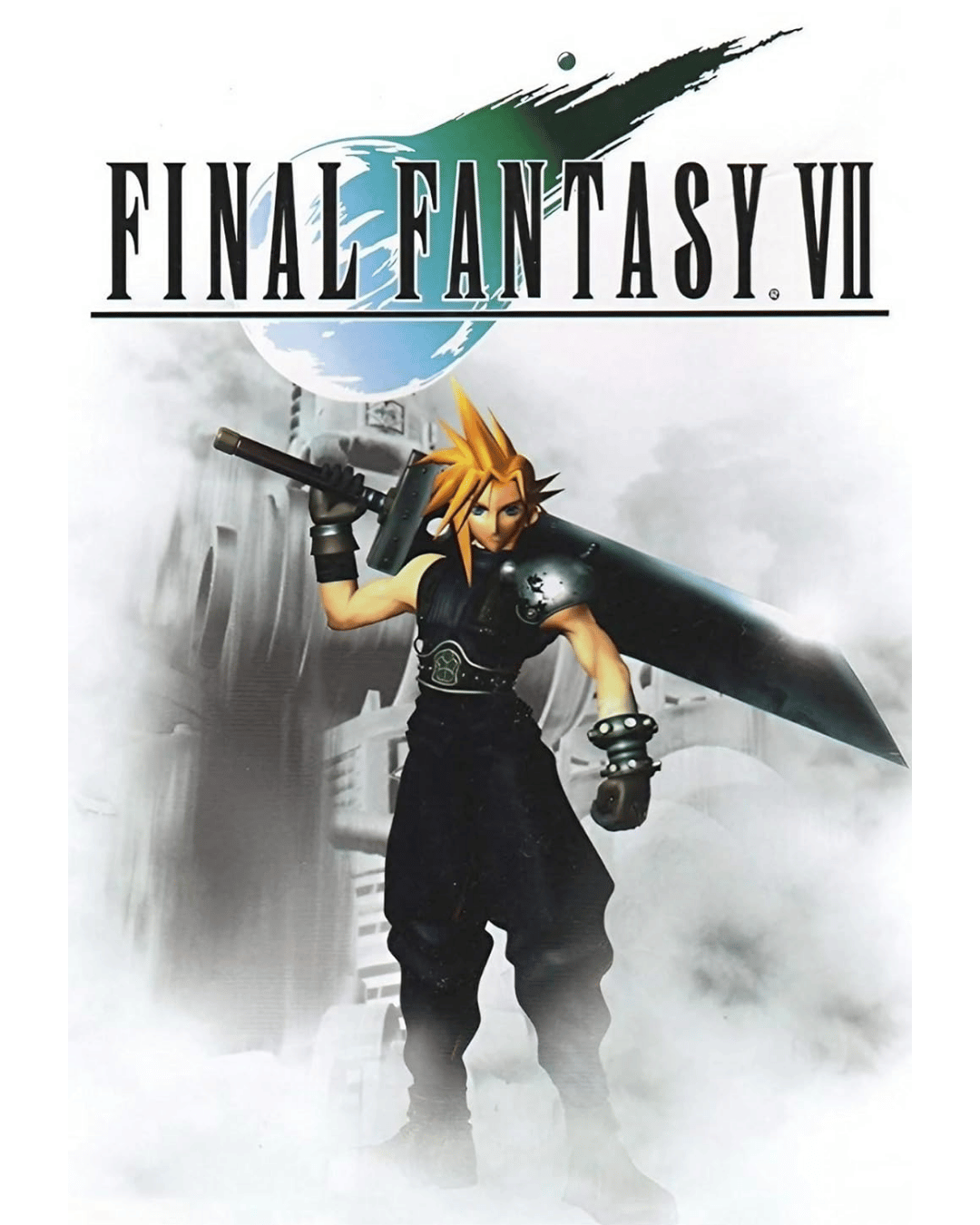
The first round of acquisitions includes 13 titles: Alan Wake II (Remedy Entertainment, 2023), Another World (Éric Chahi, 1991), Assassin’s Creed® Mirage (Ubisoft, 2023), Braid (Number None, 2008), Broken Sword (Revolution Software, 1996), Death Stranding Director’s Cut (Kojima Productions, 2021), Detroit: Become Human (Quantic Dream, 2018), Final Fantasy VII (Square Enix, 1997), Gone Home (FullBright, 2013), Heavy Rain (Quantic Dream, 2010), Life Is Strange (Square Enix, 2015), Prince of Persia (Jordan Mechner, 1989), Red Dead Redemption (Rockstar Games, 2010).
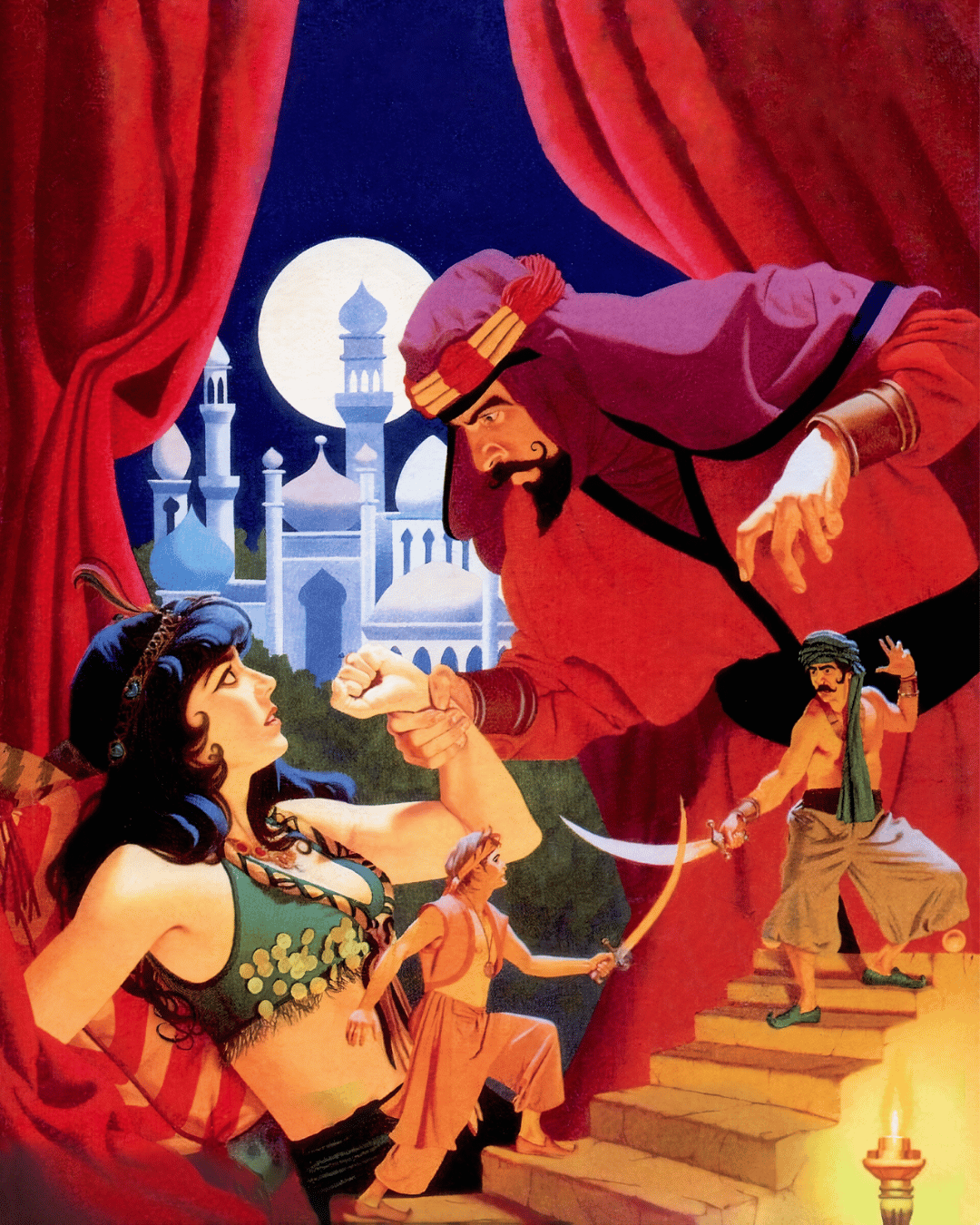
Prince of Persia, 1989
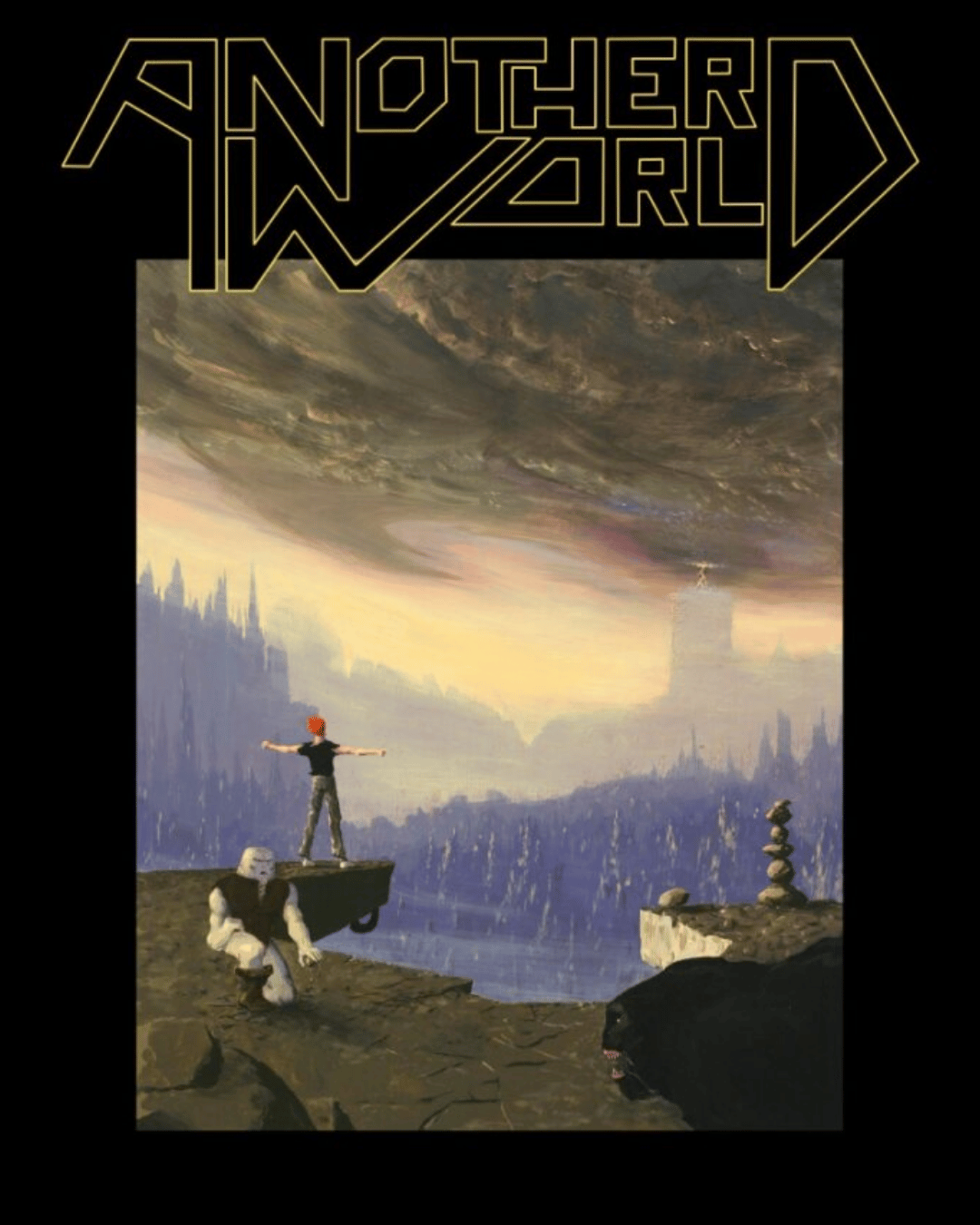
Another World, 1991
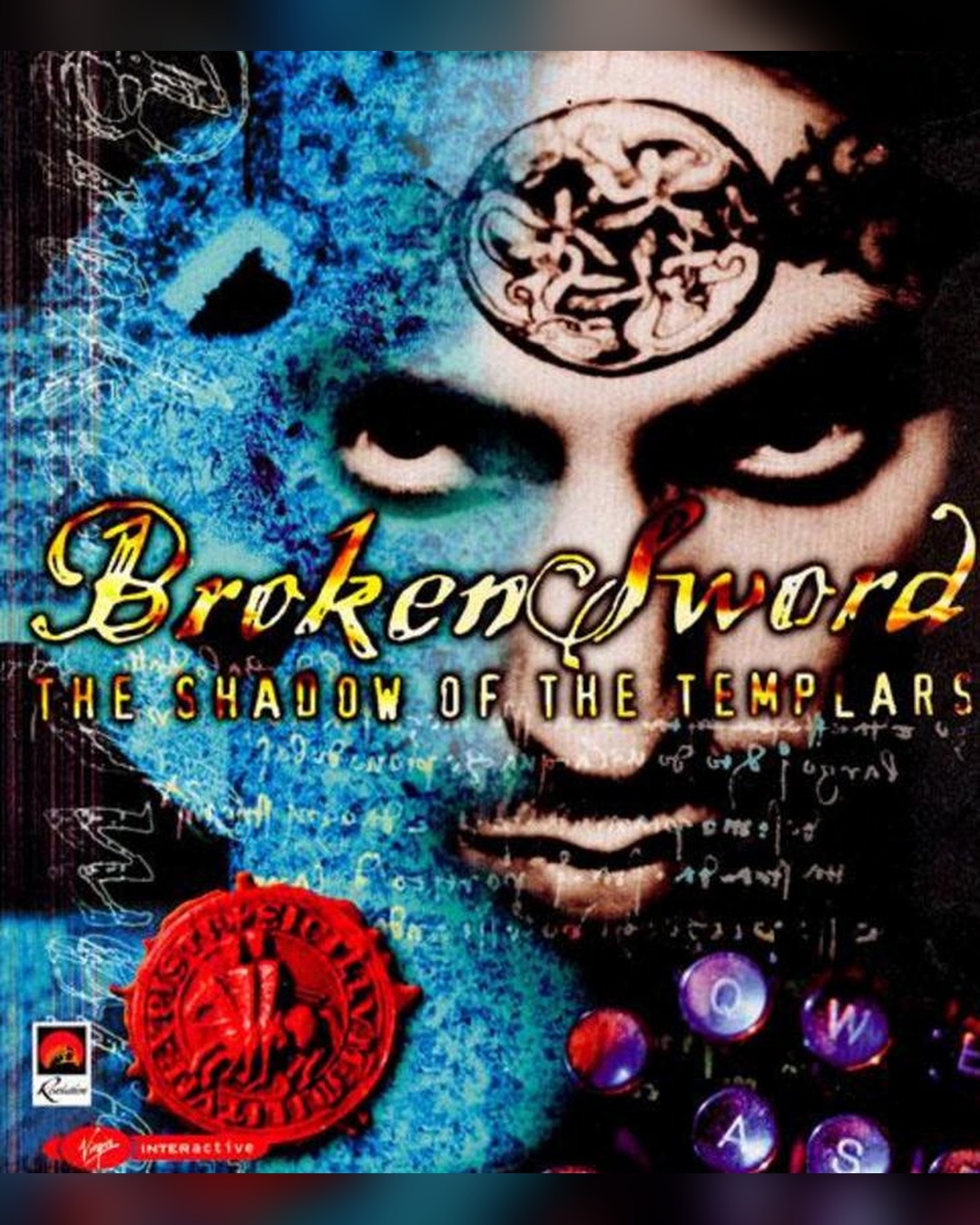
Broken Sword, 1996
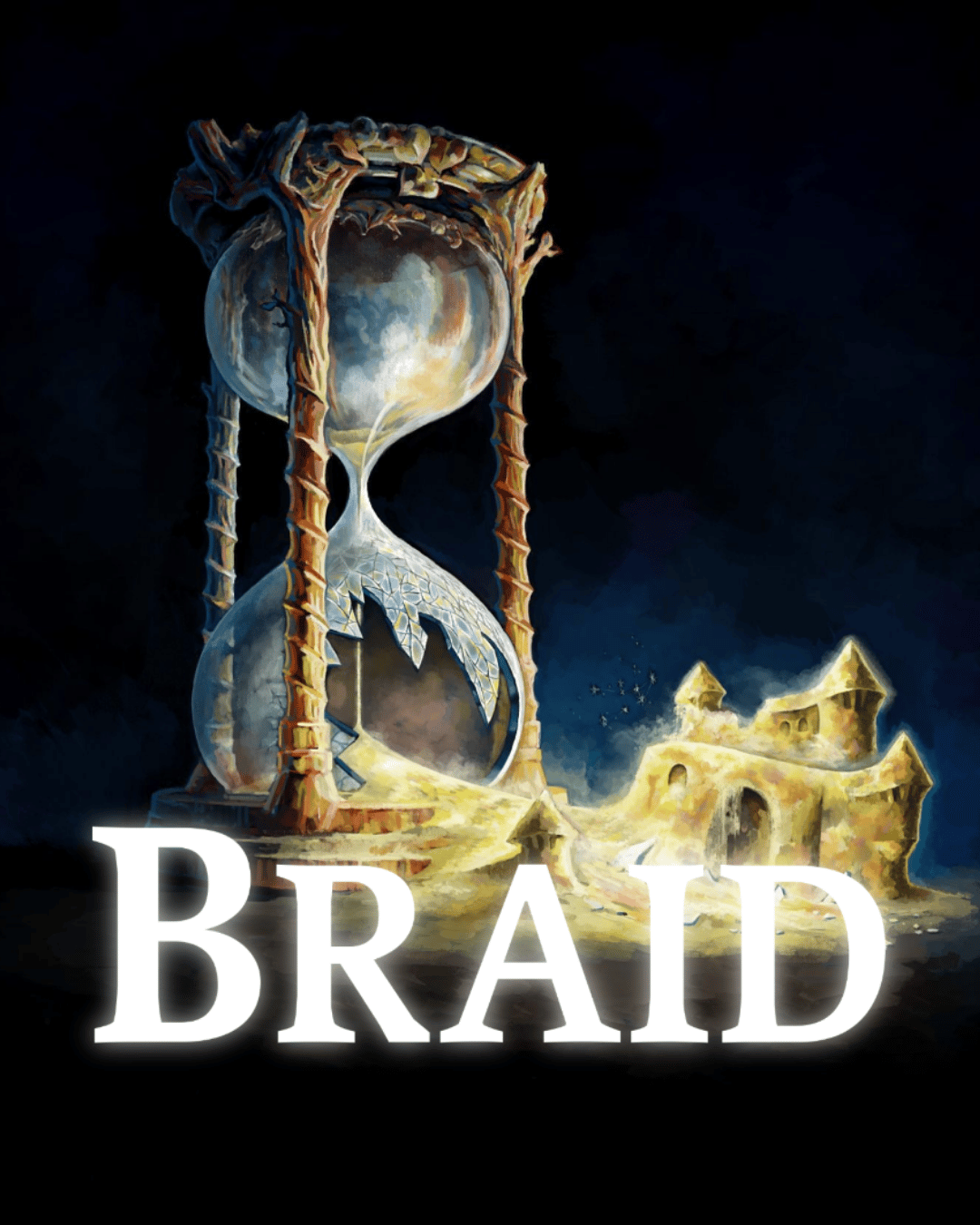
Braid, 2008
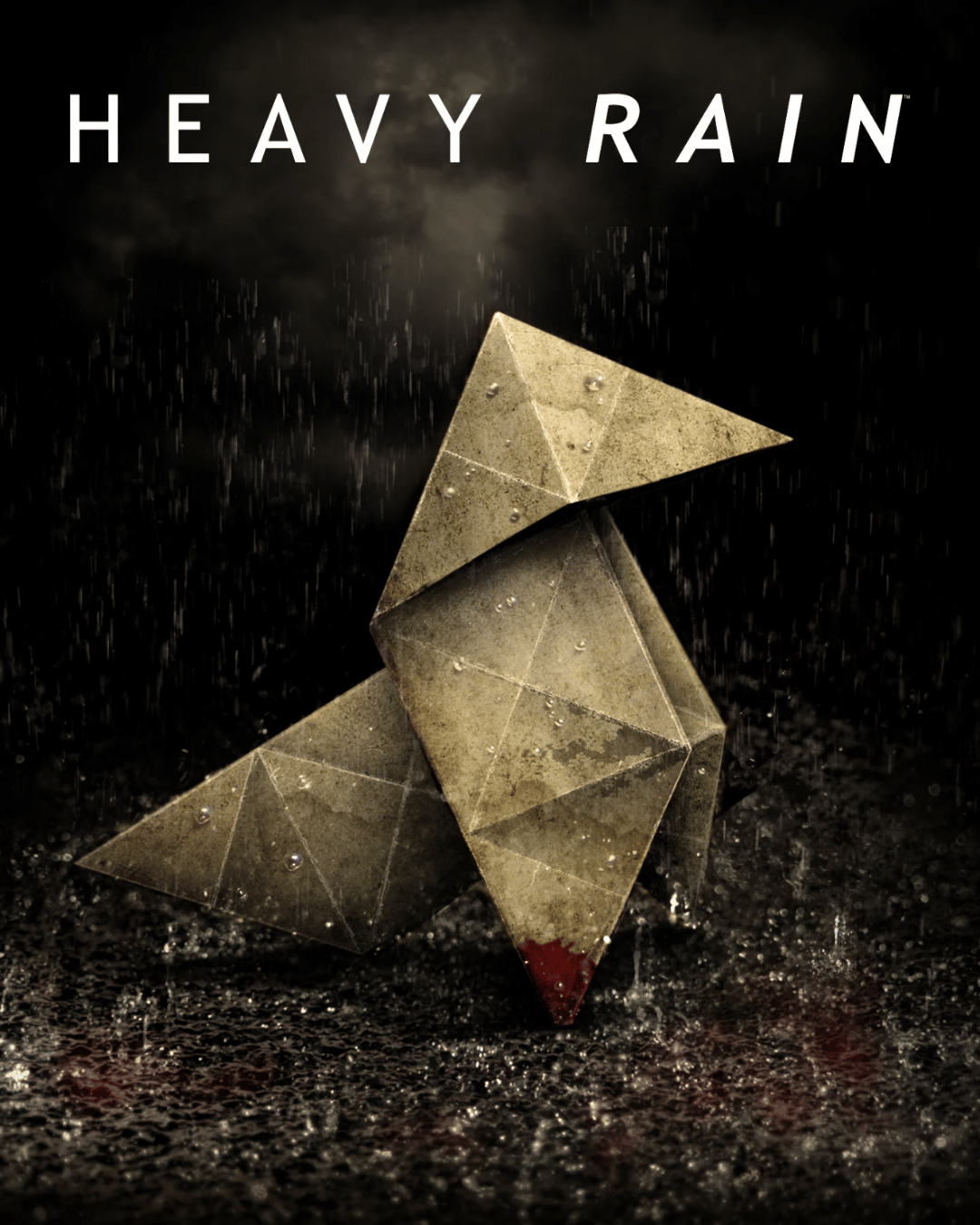
Heavy Rain, 2010
Heavy Rain ©2010 Sony Interactive Entertainment Europe Developed by Quantic Dream.
“Heavy Rain” is a trademark of Quantic Dream. All rights reserved.
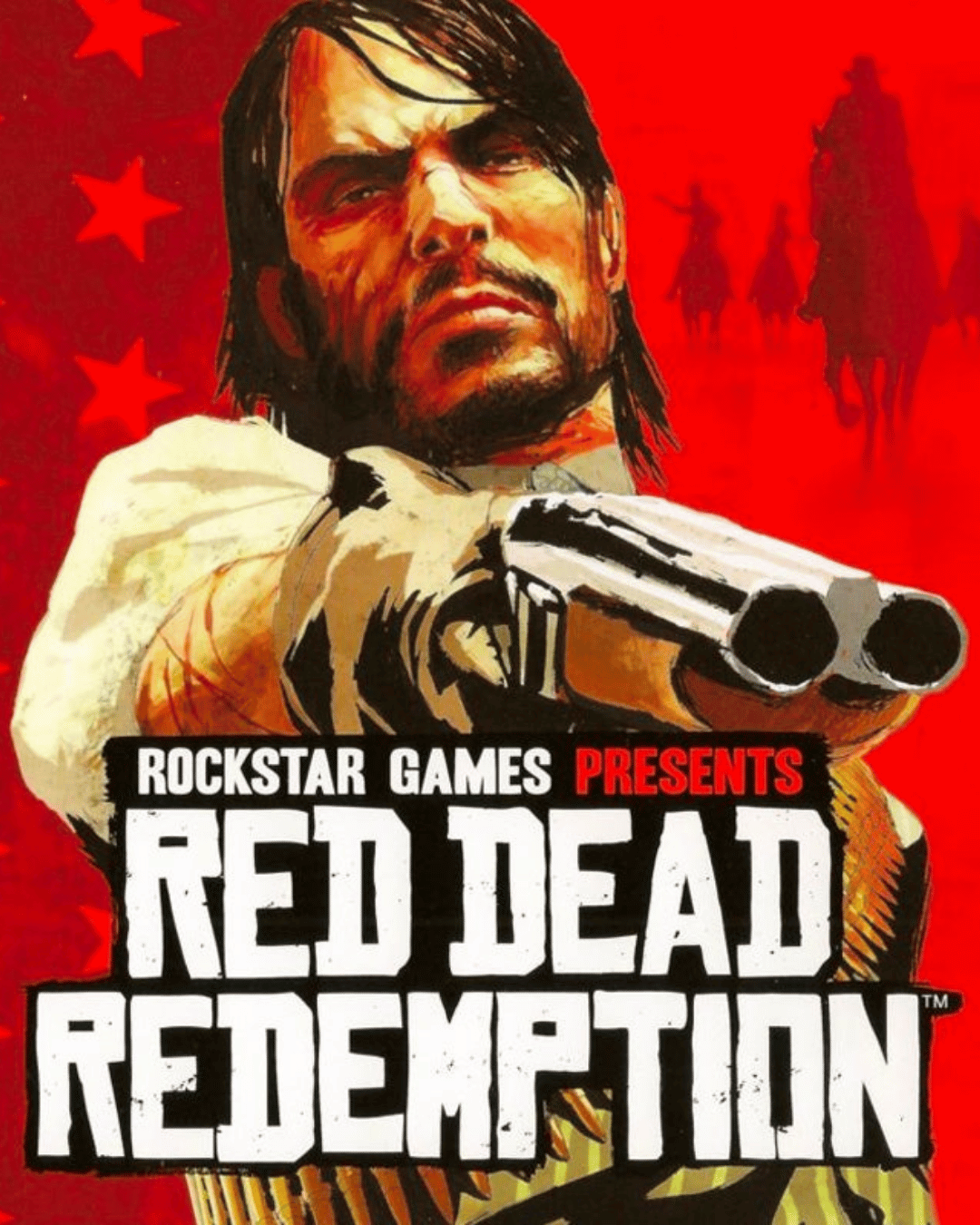
Red Dead RedemptionTM, 2010
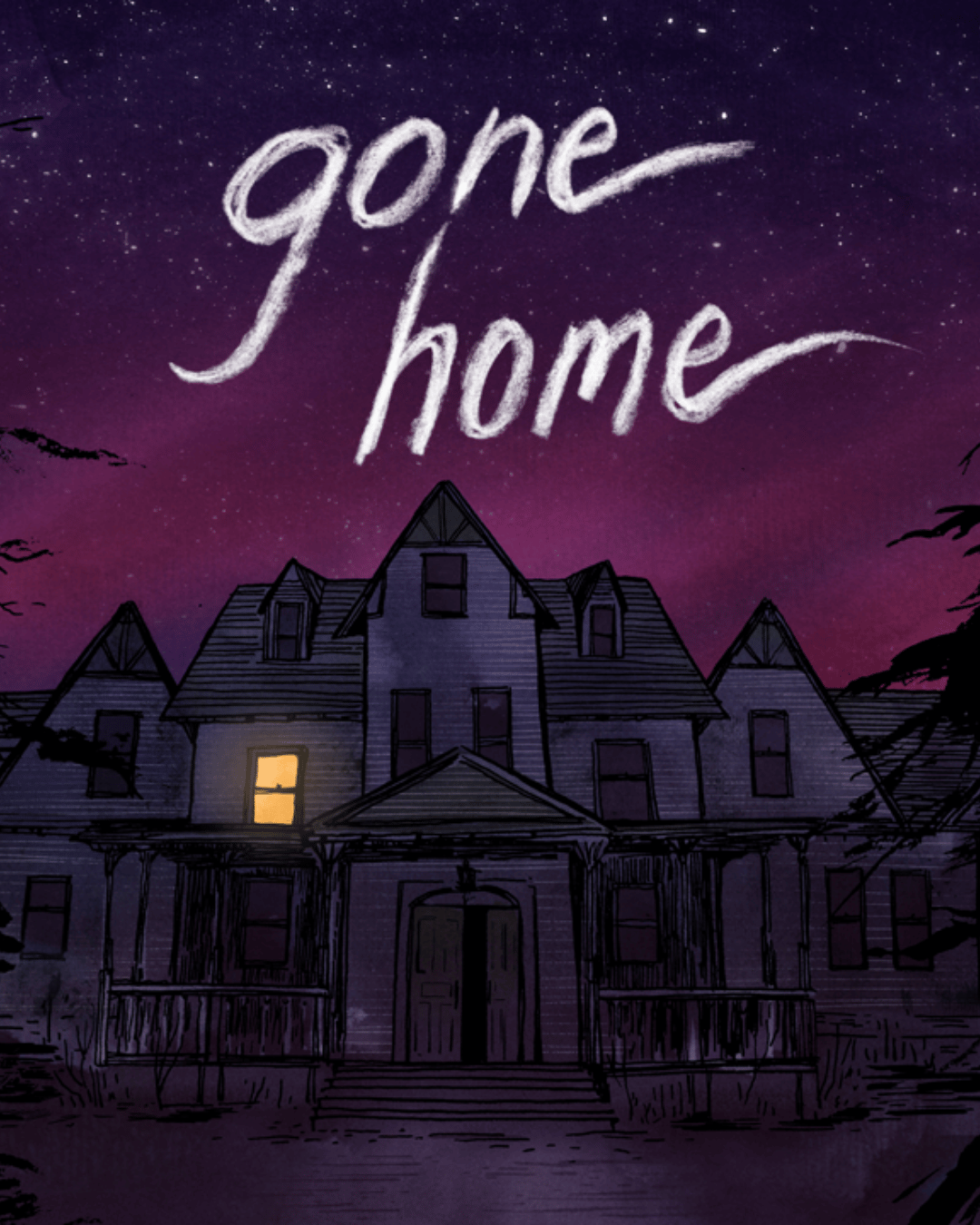
Gone Home, 2013
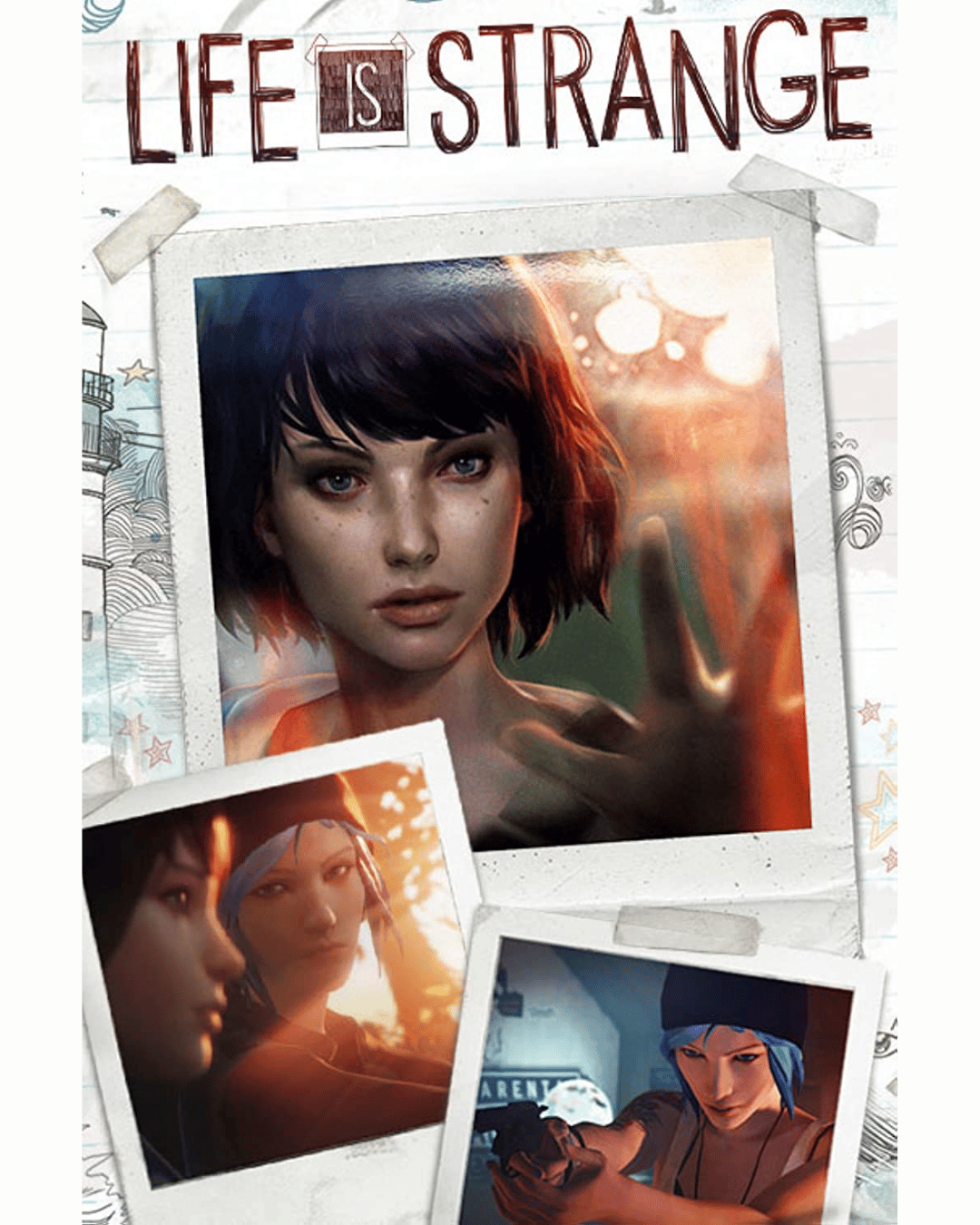
Life is Strange, 2015
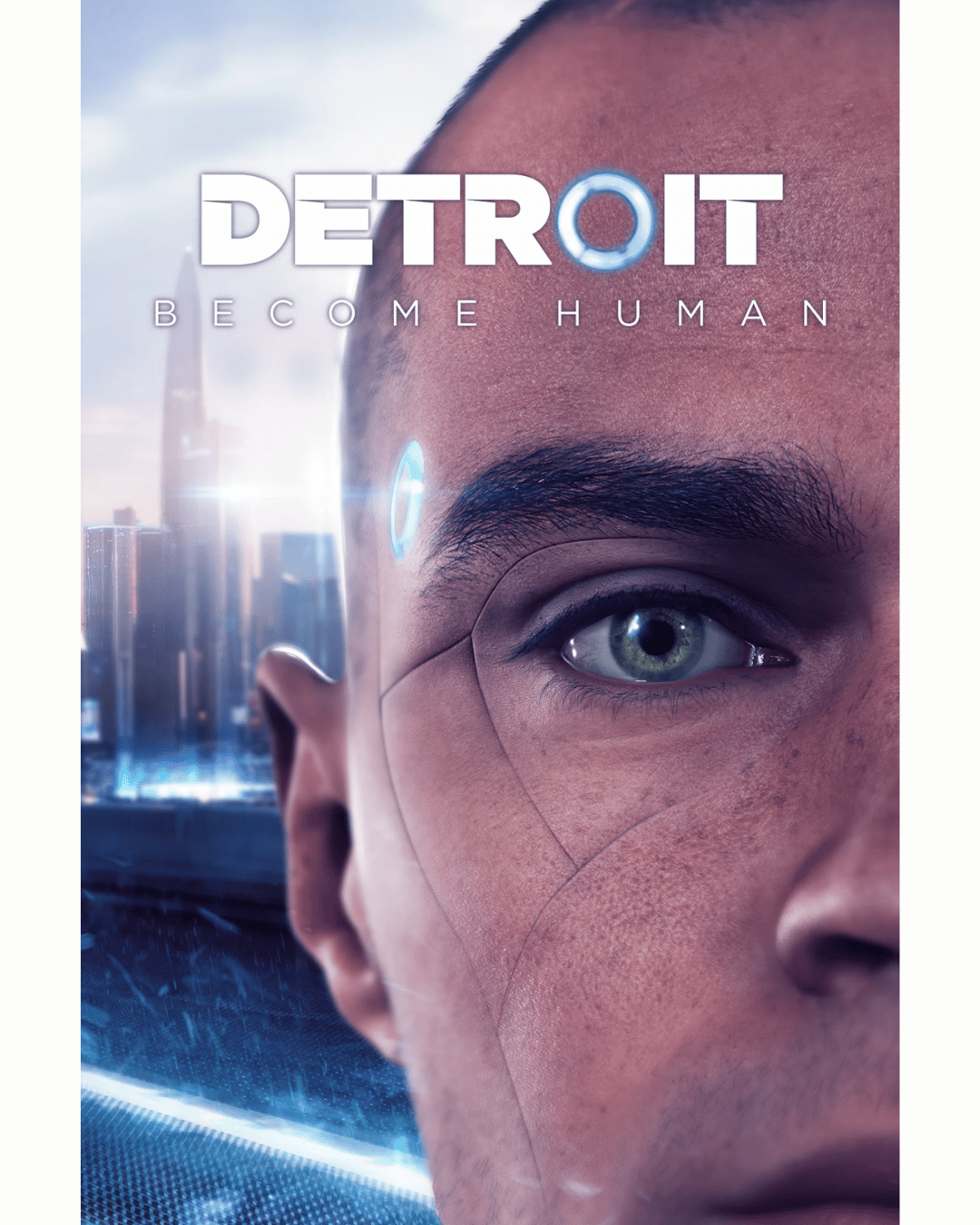
Detroit: Become Human, 2018
DETROIT: BECOME HUMAN: ©2018 Sony Interactive Entertainment Europe ltd. Developed by Quantic Dream.
“Detroit: Become Human” is a trademark of Sony Interactive Entertainment Europe. All rights reserved.
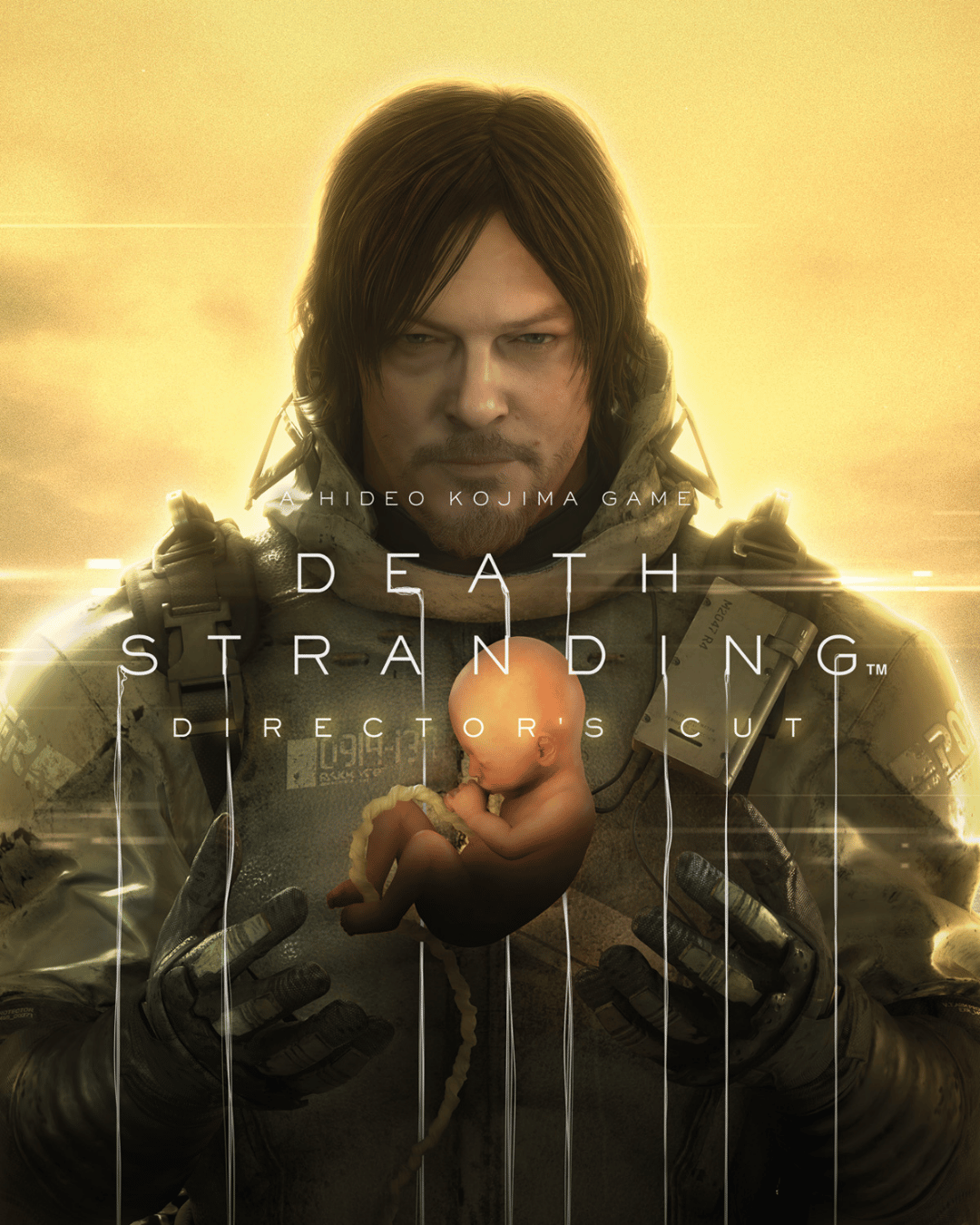
Death StrandingTM Director's Cut, 2021
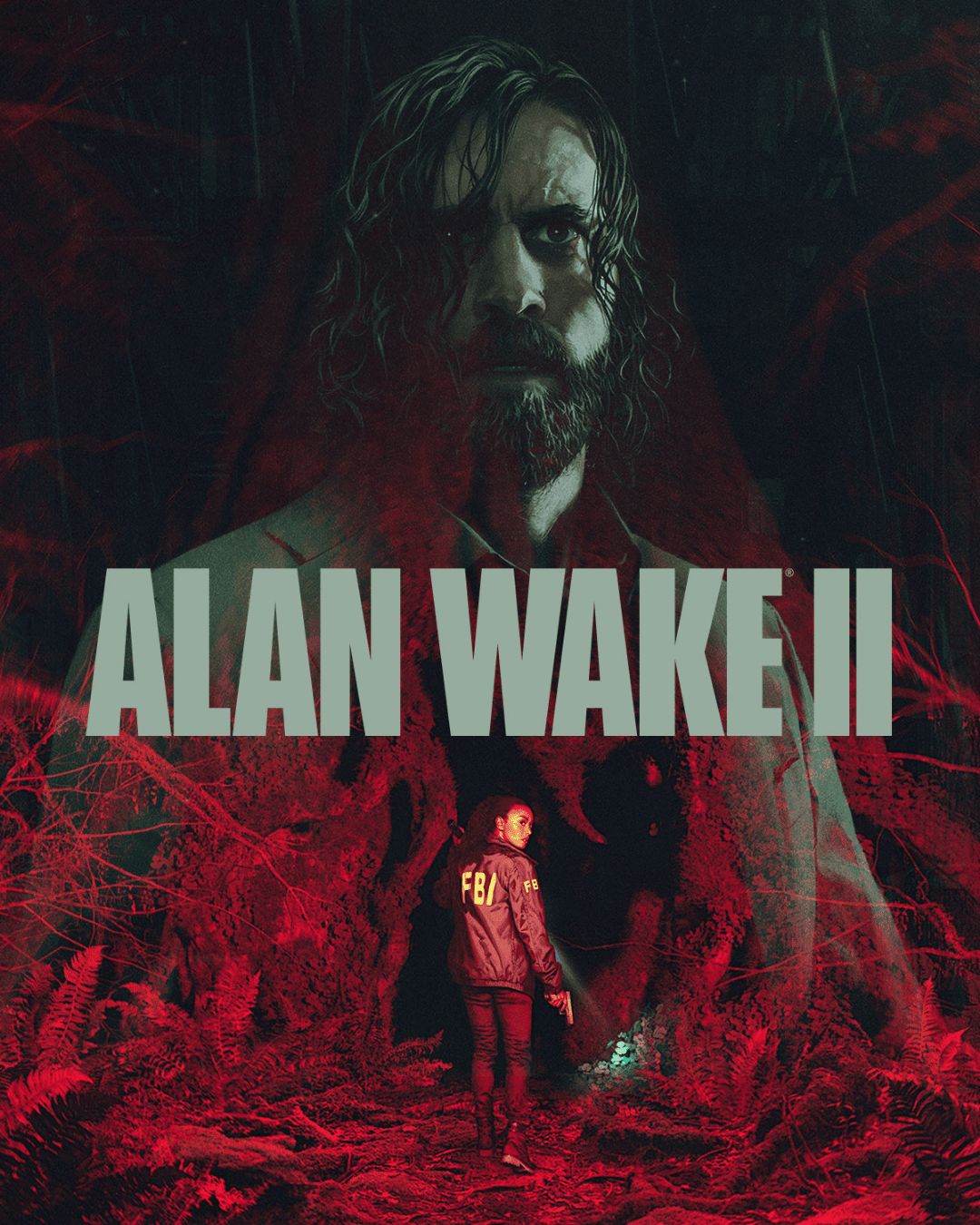
Alan Wake II, 2023
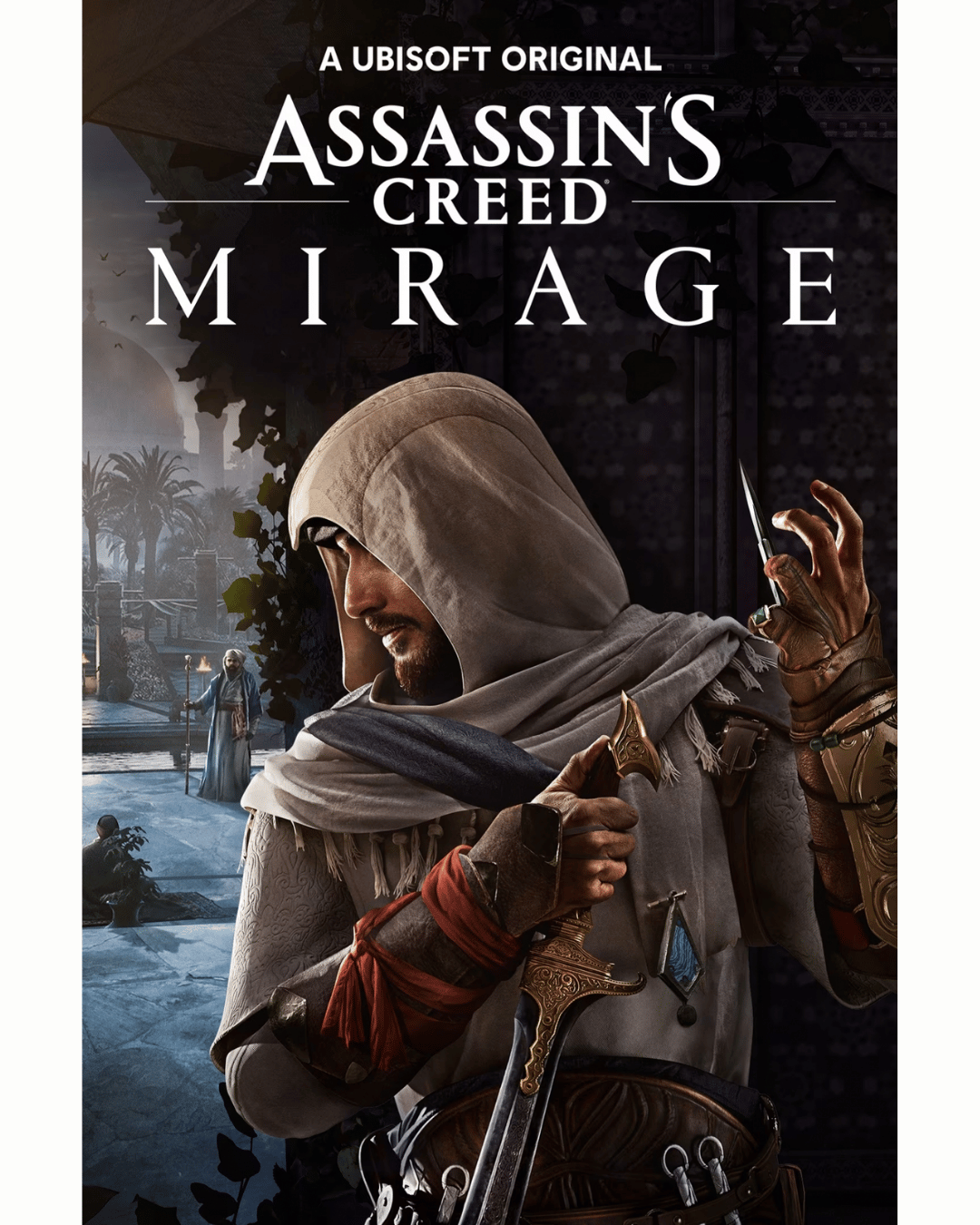
Assassin's Creed®Mirage, 2023
Assassin's Creed TM & © Ubisoft Entertainment. All Rights Reserved.